knowledge library / What Is a Sultanabad Rug? History, Pattern and Selection
A Sultanabad rug is associated with the weaving region around the Iranian city historically called Sultanabad, now Arak. The area became important in the nineteenth-century carpet export trade. Rugs sold under this name often have floral designs, but the label covers variation. A particular rug’s age, attribution and condition need to be assessed individually.
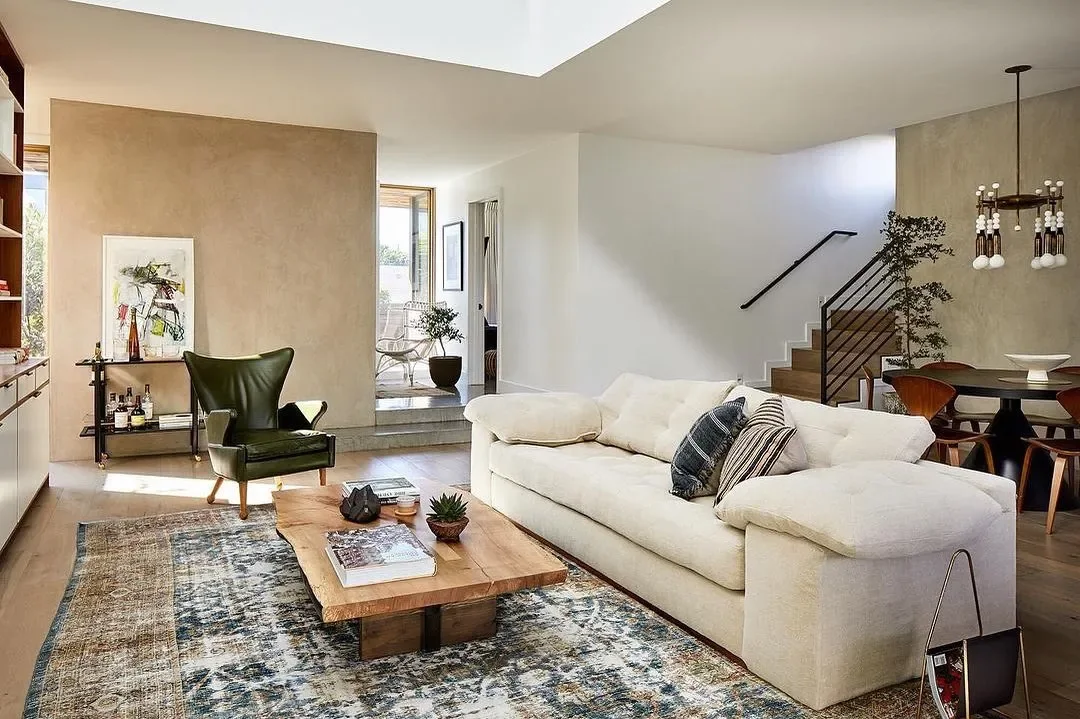
The appeal is easy to understand in a room: a floral field can introduce movement across a large surface, while the border gives the furniture a defined setting. Understanding the name helps you ask better questions about the piece you are considering.
Where the name comes from
Sultanabad was a trading center for a surrounding carpet-weaving area. During the late nineteenth century, growing European and American demand helped expand Persian carpet production. Persian merchants and foreign firms participated in that trade; weaving in the region had an existing local organization.
One prominent firm was Ziegler, based in Manchester. Its Sultanabad operation worked through local agents and weavers, supplying materials and designs for export production. Historical scholarship describes changes to palettes, dimensions and patterns for Western buyers. This commercial history helps explain why the city’s name appears so often in discussions of large decorative Persian carpets.
That history does not identify the maker of an individual rug. A Sultanabad attribution and a documented connection to Ziegler are different claims. Ask what supports each description rather than treating the names as interchangeable.
What to look for in the design
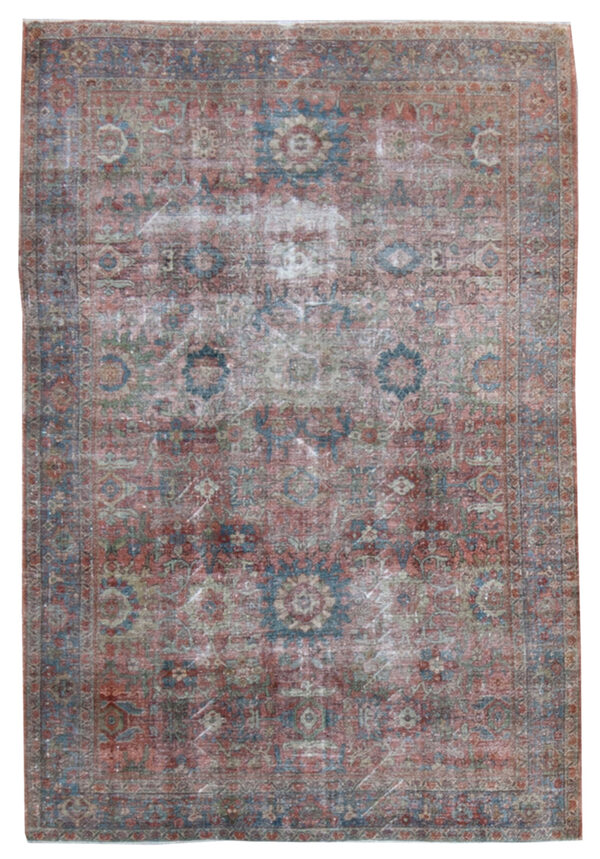
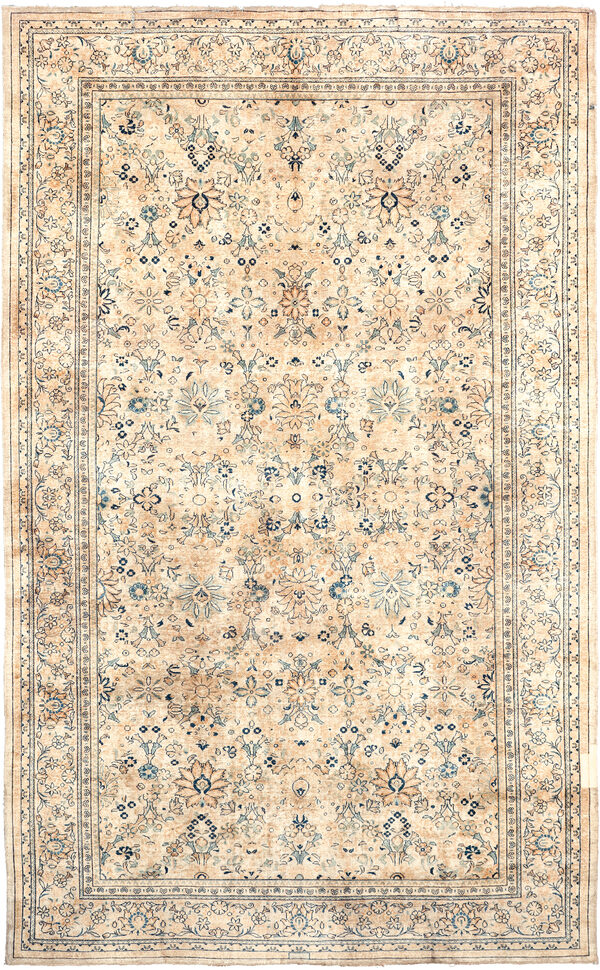
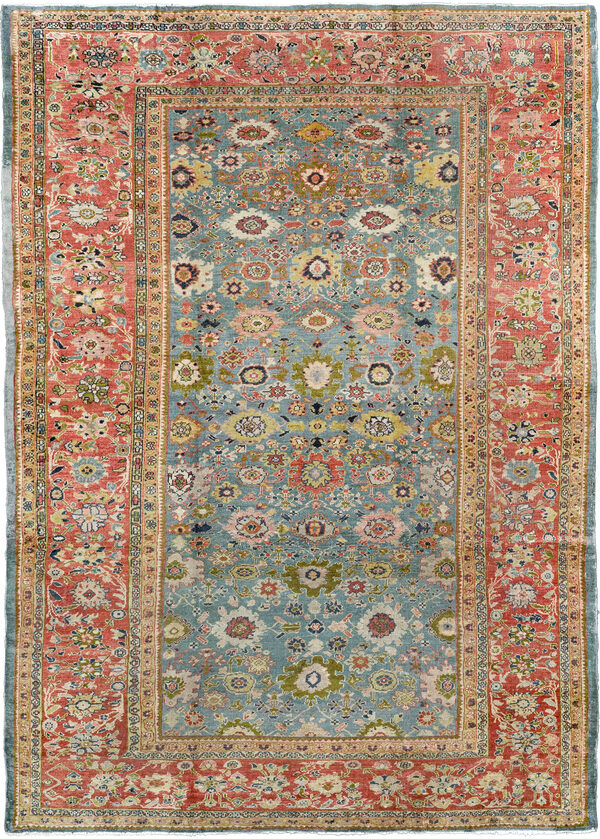
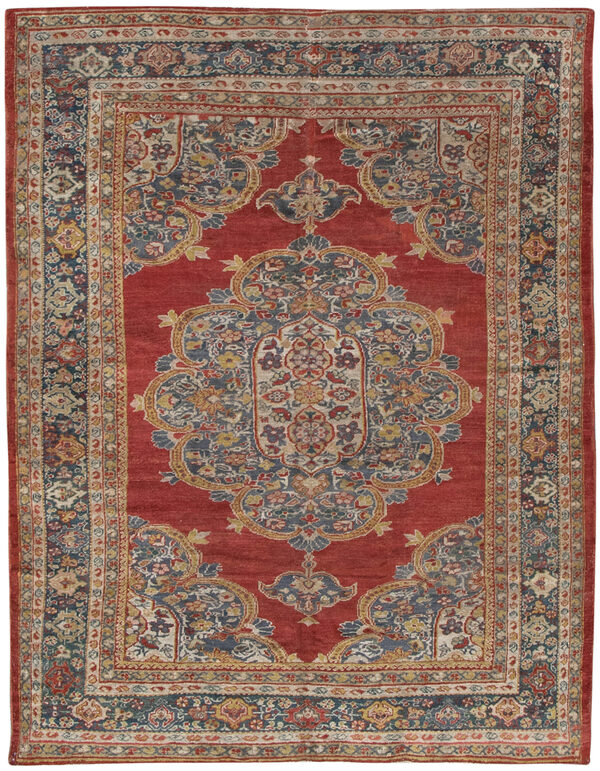
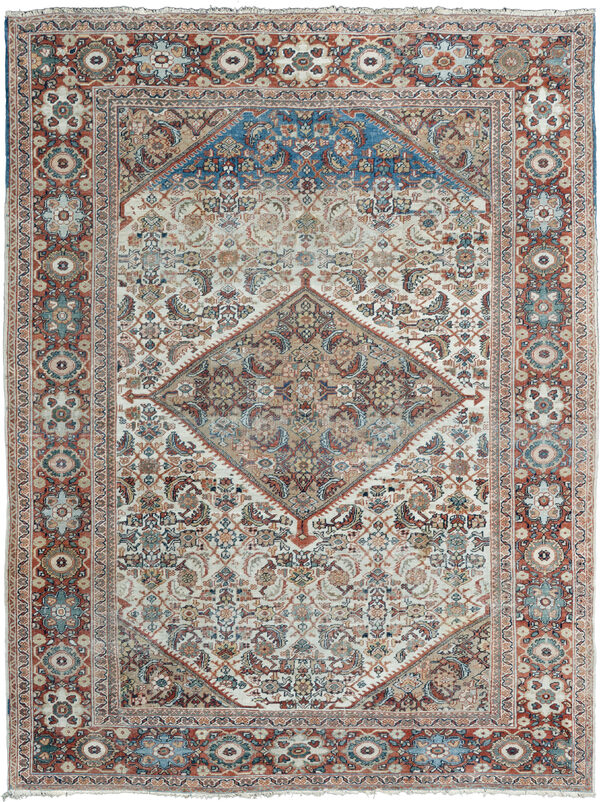
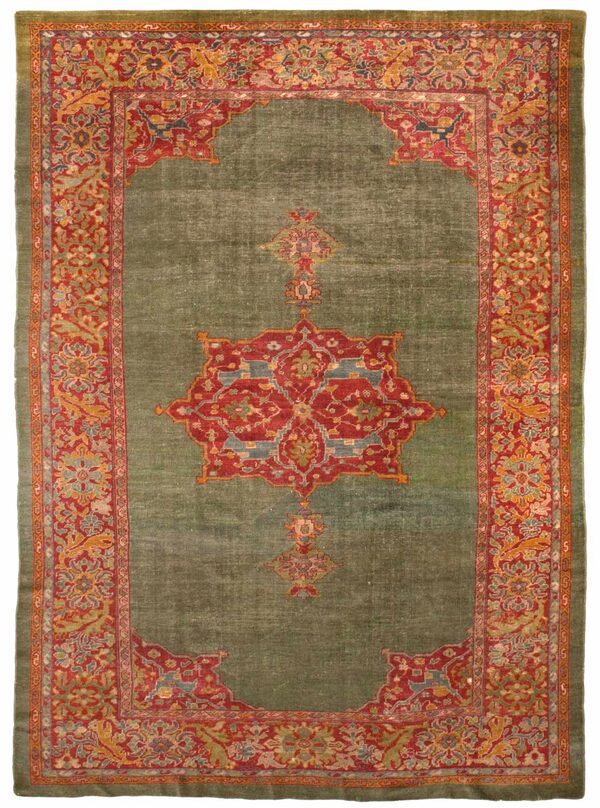
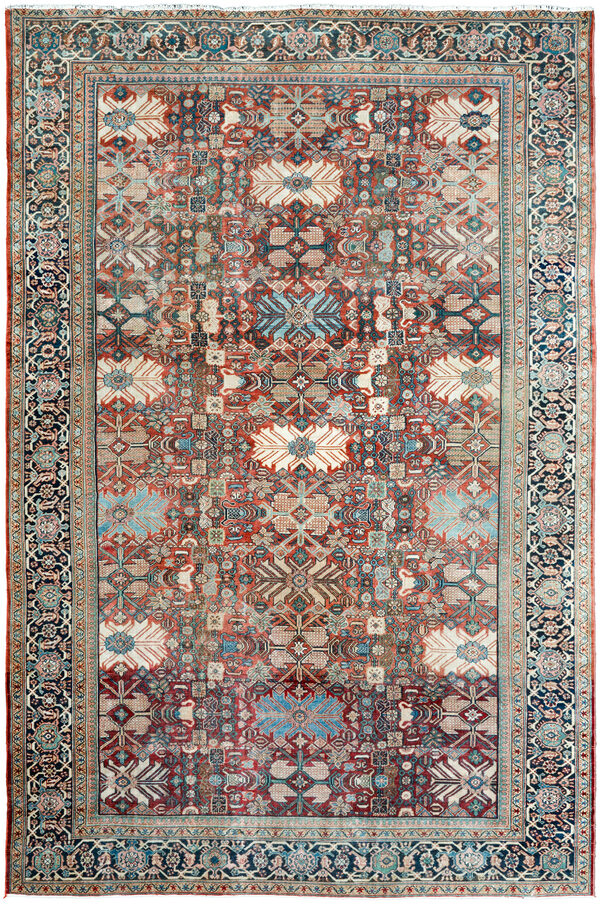
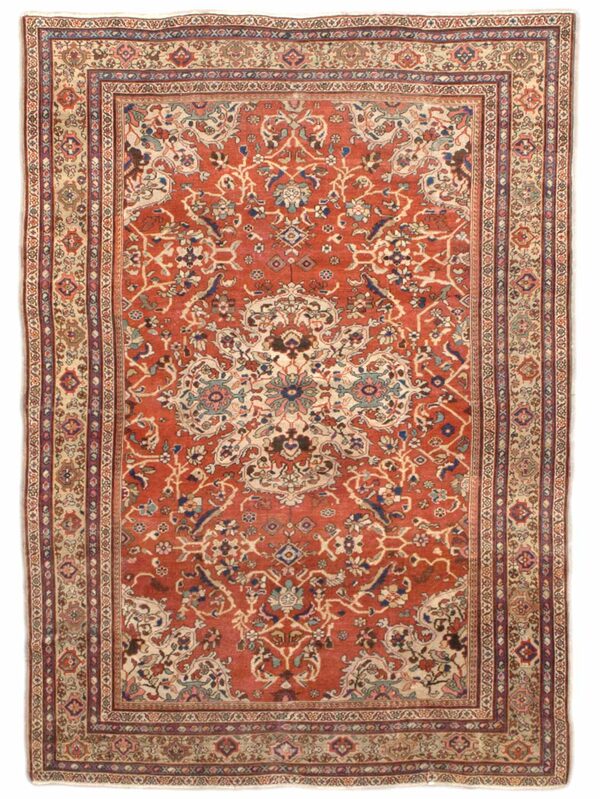
WOVEN’s Sultanabad collection describes a range that includes bold floral drawing, repeating floral patterns and larger vine arrangements. Look at the space between motifs as well as the motifs themselves. A widely spaced design reads differently across a room from a dense small repeat.
The border deserves a separate look. It can frame the seating area, repeat colors found in the field, or add another scale of pattern. When furniture will cover much of the center, the border and the exposed passages may become the most visible parts of the rug.
Color is useful for choosing a room scheme, but it is a poor shortcut to attribution. A pale field, red ground or blue border cannot establish a rug’s age or production history. Photographs also cannot provide a complete condition assessment. Ask for accurate images and, where possible, see the piece in person.
If you are comparing neighboring names in a catalog, the guide to Persian rug categories provides broader context. Keep the description attached to the individual rug, especially when a listing uses several regional or trade terms together.
Separate appearance from condition
A softly drawn surface may be visually appealing, yet the reason for its appearance matters. Ask the seller to distinguish the original design and colors from wear, repairs or later treatment. A rug can be attractive and still require a different placement from the one you had in mind.
Request a condition account covering the field, sides and ends, with photographs of any affected areas. Ask which repairs are known and whether there are weaknesses that influence handling or use. The guide to evaluating an antique rug explains how to organize that inspection.
For a sitting room, identify the route people will take through the furniture. For a dining room, consider the area crossed by moving chairs. Share that plan with the specialist assessing the rug so the advice relates to the proposed location. The fact that a rug has survived for a long time does not establish its suitability for a new setting.
Try the pattern within the furniture plan
Use an overhead image of the whole rug when planning the room. A close-up can reveal drawing and color, but it does not show where the main motifs will fall beneath a sofa or table. Compare the rug’s actual dimensions with the furniture footprint and note any irregularity that matters to the placement.
An open floral arrangement can sit comfortably beside furniture with simple lines. A more detailed pattern may be equally appealing in a quieter room. These are design directions to test, not requirements that Sultanabad rugs belong in one period of interior.
Choose the important relationship first. You might want the border to remain visible around a coffee table, or a particular color to connect to the upholstery. If the rug is the starting point, build the smaller textile choices around the colors you can see in person.
Ask for a record of the particular piece
Before buying, request a written description that includes the attributed origin, estimated date, dimensions and known condition information. Where the date or attribution is an expert judgment, ask the seller to explain its basis and level of certainty. Any specific workshop or commercial attribution should have its own supporting explanation.
An old design can also inform a newly made rug. WOVEN’s Antique Recreations offer a separate route to historical pattern; a new rug should be described with its actual production details. Keep that distinction clear when comparing options.
Once you have a shortlist, review the whole rug, its documented condition and the room plan together. The Sultanabad name gives you a place to begin. The details of the individual piece tell you whether it is the one to bring home.