knowledge library / What Is a Hand-Woven Rug? Everything Buyers Should Know
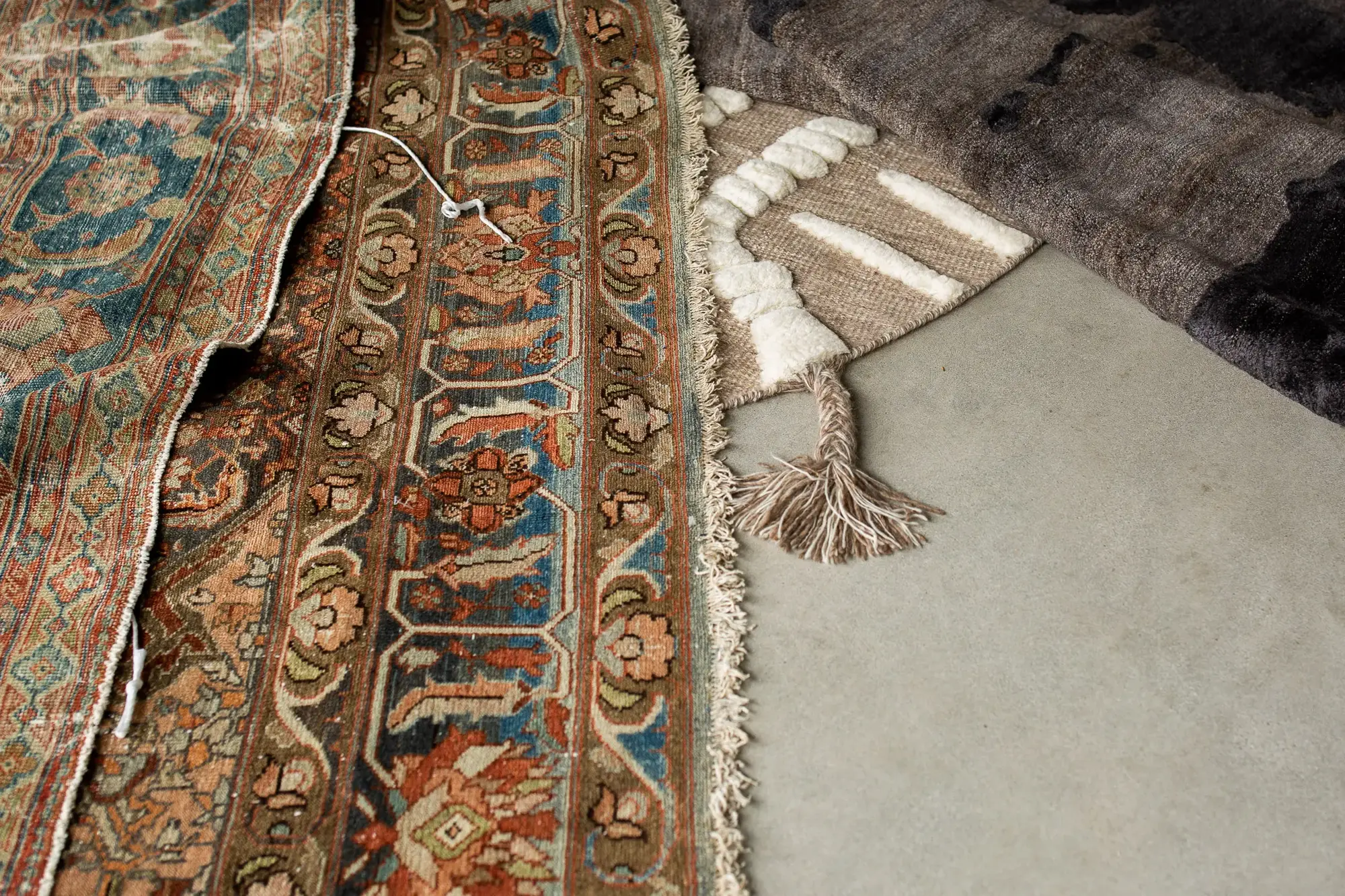
A hand-woven rug is a rug made by hand on a loom, rather than by machine. The result is a piece with more character, material nuance, and a sense of craftsmanship that is difficult to replicate in mass production.
For buyers exploring hand woven rugs, this distinction matters. "Hand-woven" is often used as a broad term, but not every handmade rug is made the same way. Understanding the difference between hand-woven rugs, hand-knotted rugs, and machine-made rugs can help you choose a piece that feels right for your space, your aesthetic, and the way you live.
What "hand-woven" really means
At its simplest, a hand-woven rug is constructed by interlacing fibers by hand on a loom. Unlike machine-made rugs, which are produced through automated processes, handmade woven rugs are shaped through skilled manual work, giving each piece a more individual presence.
That does not necessarily mean ornate or traditional. Hand-woven rugs can feel quiet, architectural, textural, or relaxed depending on the materials and weaving method. Some are minimal and understated. Others have a richer surface and a more tactile expression. What connects them is the human hand behind the construction, something especially evident in WOVEN’s textured rug collections.
It is often that subtle irregularity — a slight shift in texture, a softer line, a more organic finish — that gives woven rugs made by hand their lasting appeal.
Hand-woven vs. hand-knotted vs. machine-made rugs
These terms are often grouped together, but they describe very different methods of construction.
Hand-woven rugs
Hand-woven rugs are made by manually weaving fibers together on a loom. They often have a more relaxed structure than hand-knotted rugs and can range from flat and minimal to softly textured and dimensional. They are especially valued for their balance of craftsmanship, materiality, and versatility.
Hand-knotted rugs
Hand-knotted rugs are made one knot at a time, with each knot tied individually onto the foundation. This is a slower, more labor-intensive process often associated with antique rugs, heirloom-quality pieces, and intricate pattern work. Hand-knotted rugs are prized for their depth, durability, and the level of artistry involved in their making.
Machine-made rugs
Machine-made rugs are produced at scale using automated looms. They can offer consistency and accessibility, but they generally do not have the same depth of material character or the same sense of individuality as hand woven rugs.
The simplest way to think about it:
- Hand-woven rugs offer texture, craftsmanship, and an artisanal point of view
- Hand-knotted rugs offer intricacy, heritage technique, and collector appeal
- Machine-made rugs offer speed, uniformity, and a lower production cost
Each has its place, but for buyers looking for warmth, tactility, and a more elevated finish, handmade woven rugs often strike a compelling balance.
Materials commonly used in hand-woven rugs
Material is one of the most important factors in how a rug feels, performs, and ages over time. Many of the most beautiful hand woven rugs are defined as much by their fiber as by their construction.
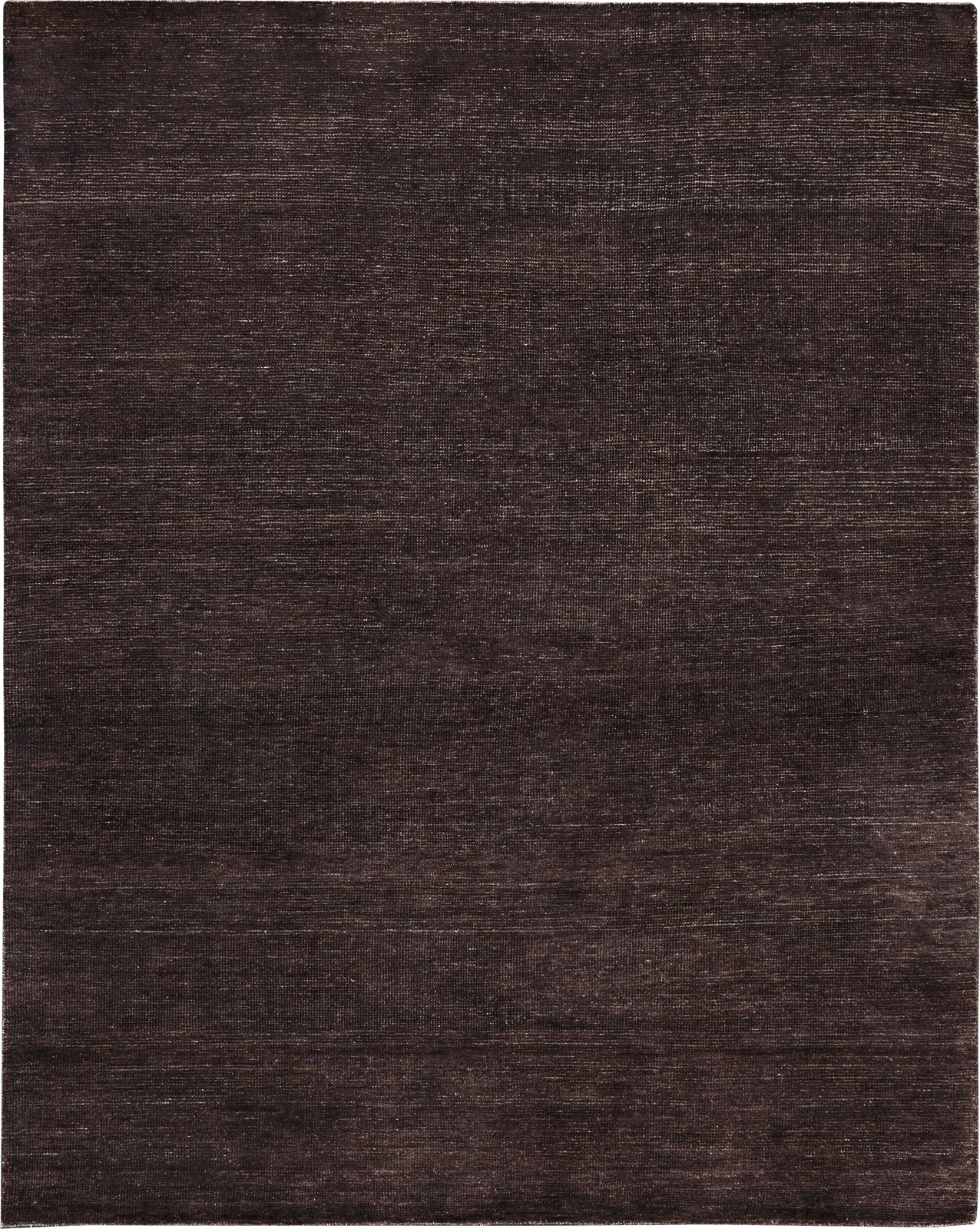
Wool
Wool remains one of the most enduring rug materials for a reason. It has resilience, softness, and natural insulation, making it especially well suited to living rooms, bedrooms, and other spaces where comfort matters. WOVEN’s distressed wool and wool strata collections show how nuanced and versatile wool can be in practice.
Linen
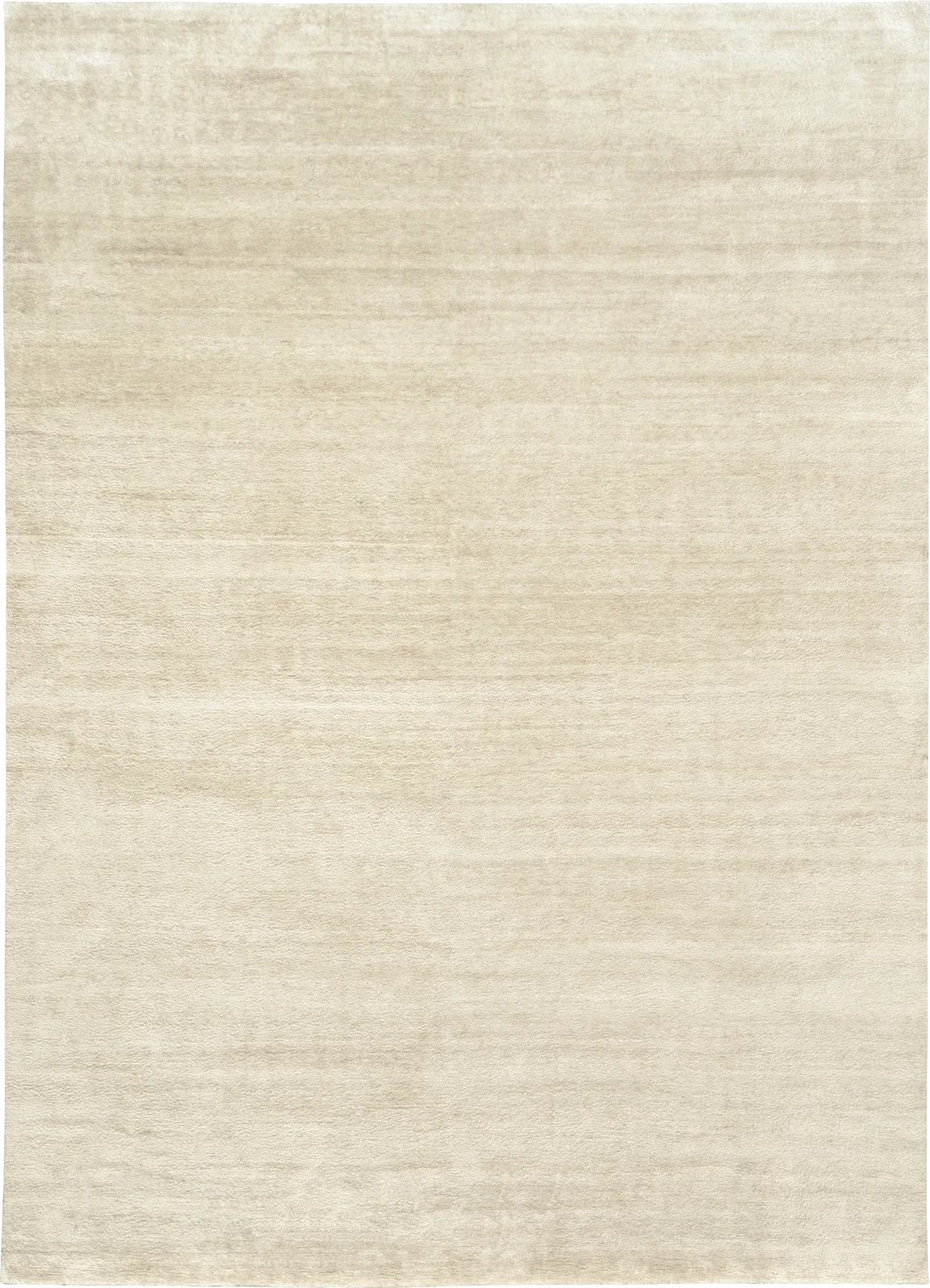
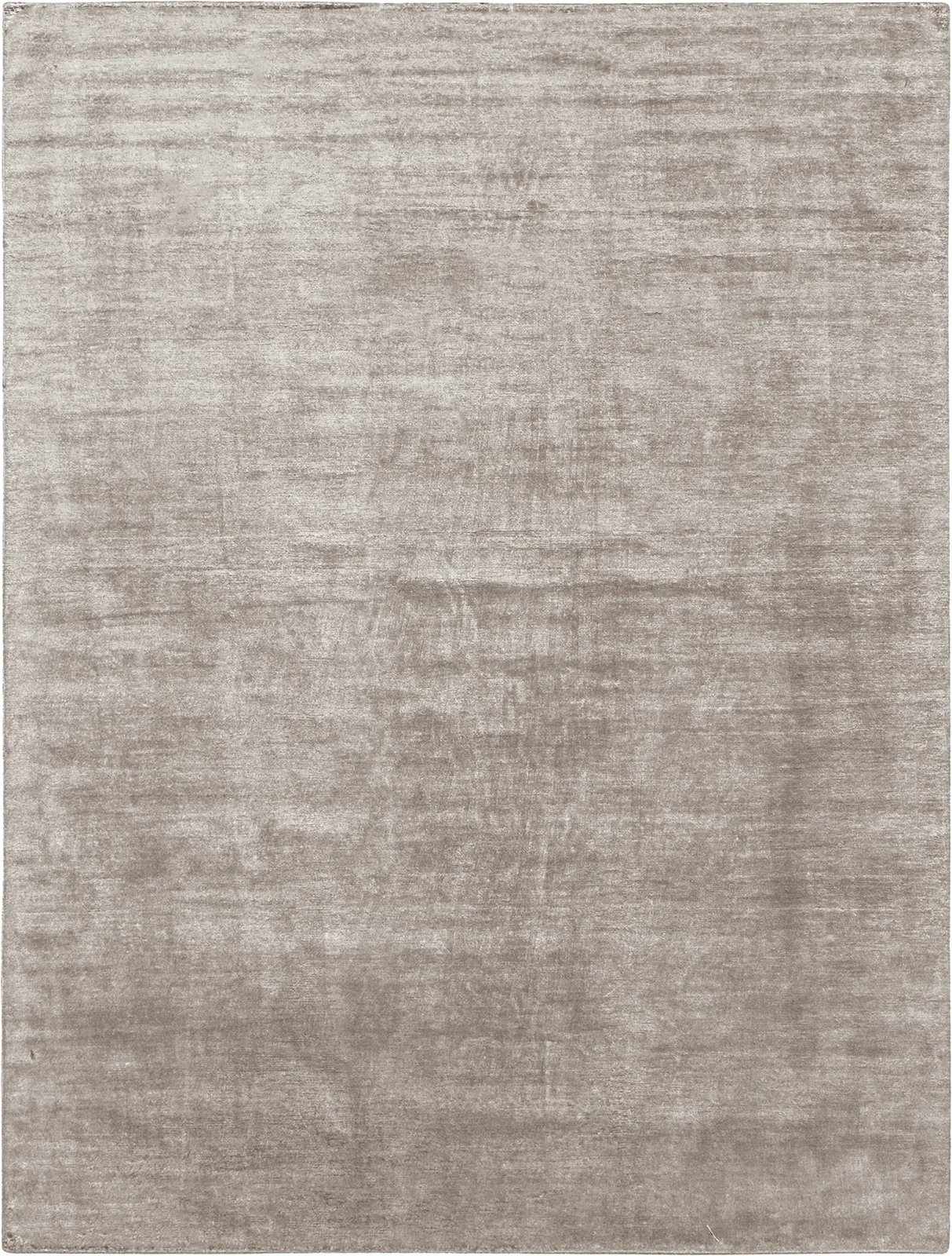
Linen rugs have a refined, understated quality. In a rug, linen can lend a lighter visual hand and a subtle, sophisticated texture that works beautifully in quieter interiors.
Mohair and alpaca
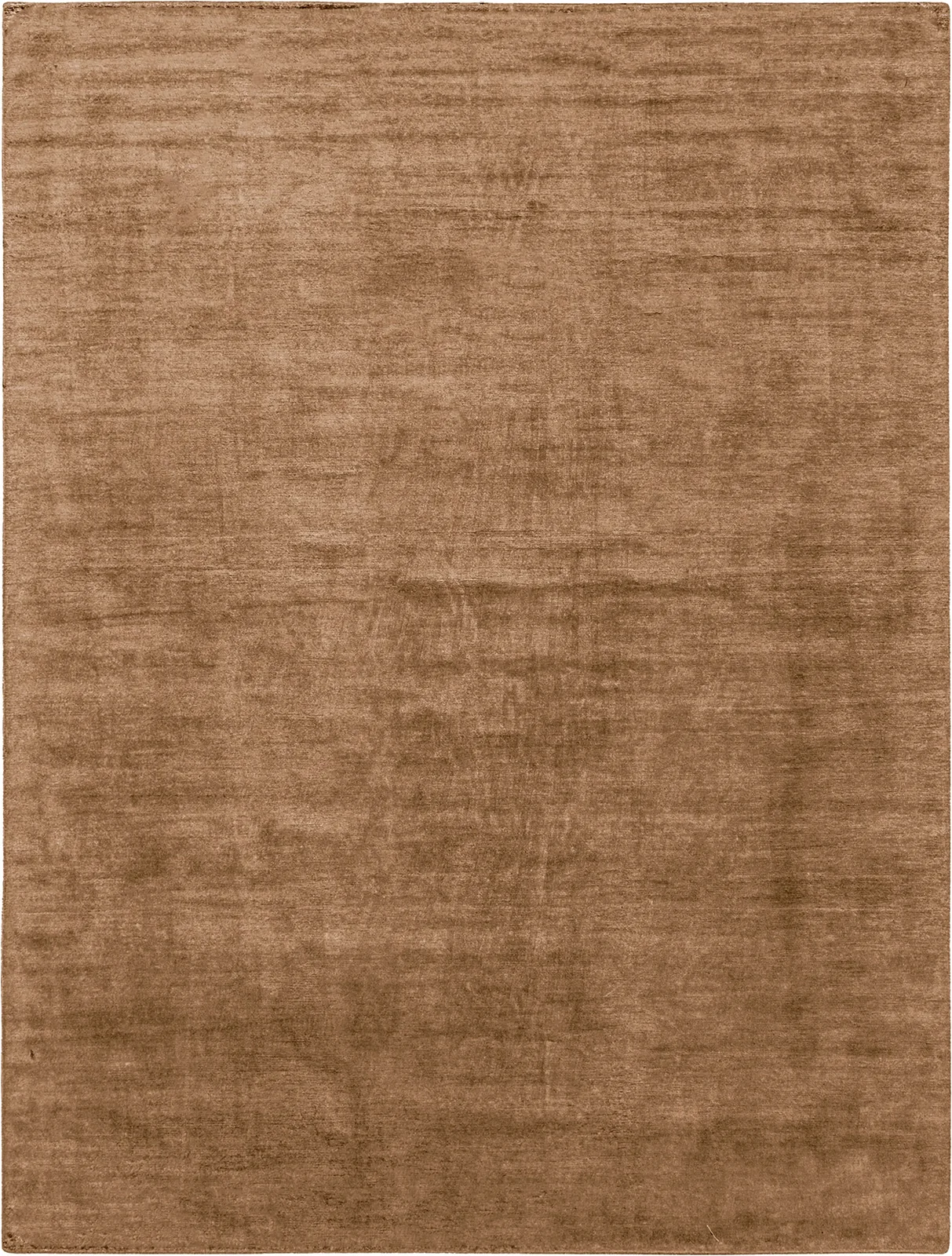
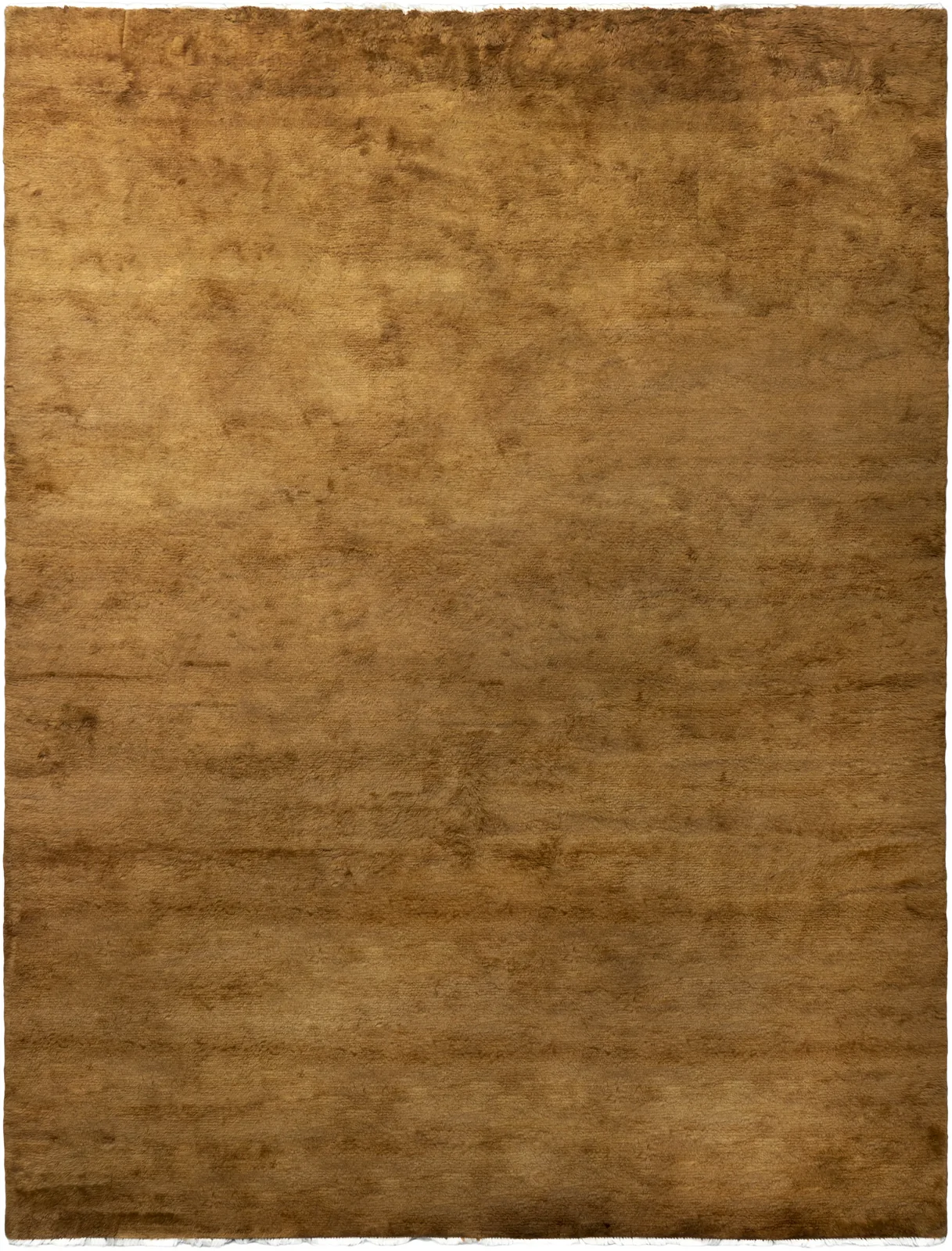
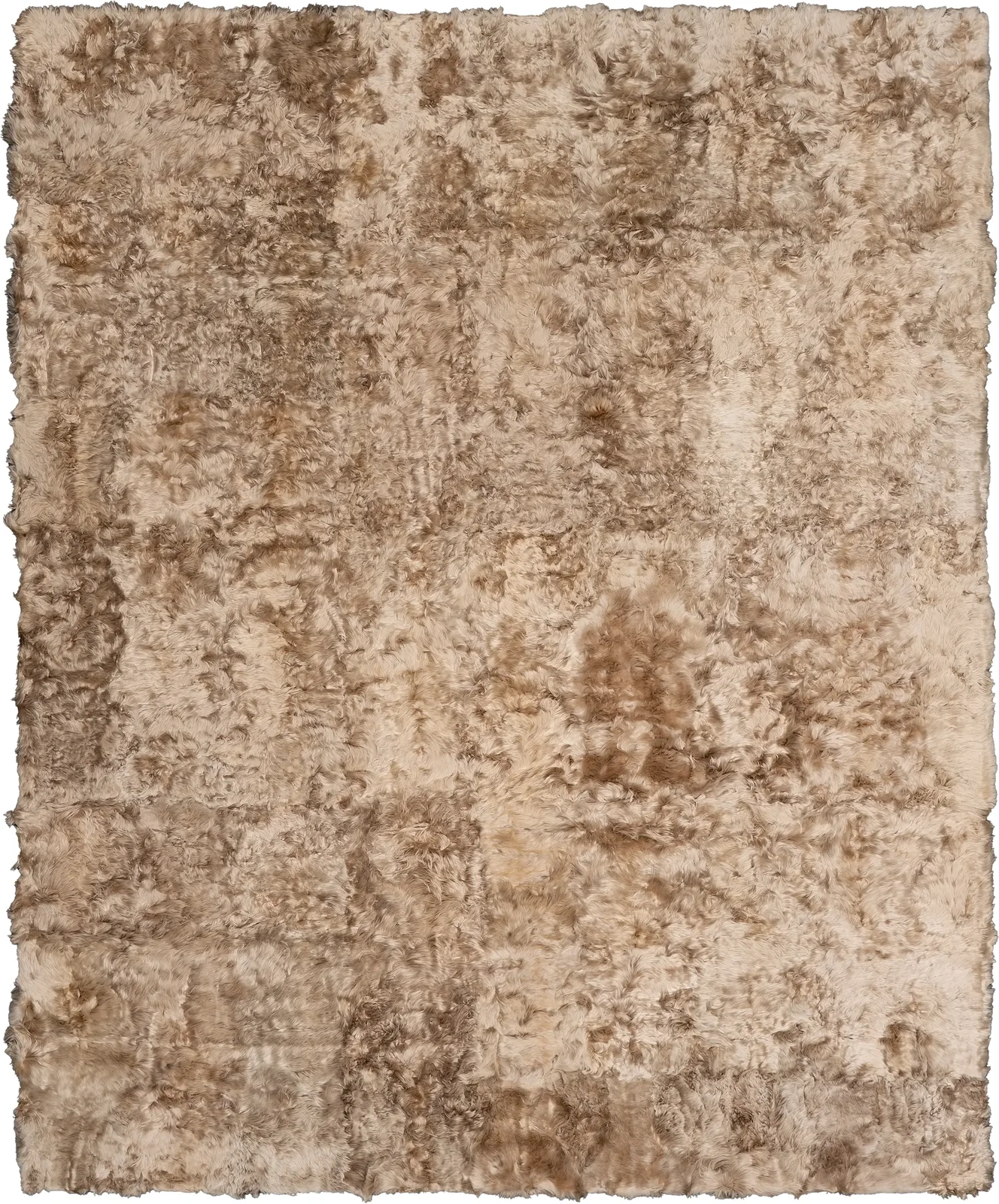
Fibers like mohair and alpaca bring softness, depth, and a gentle luster. These materials tend to feel more luxurious and can give a rug a particularly rich surface.
Natural fiber blends
Some natural fiber blend rugs combine fibers to achieve a more layered result — balancing softness, structure, durability, and sheen in a way that feels intentional and nuanced.
When choosing a rug, material should always be considered alongside the room, the amount of daily wear, and the atmosphere you want the piece to create.
How to judge the quality of a hand-woven rug
Not every handmade rug is equal. Quality is shaped by the integrity of the materials, the care of the construction, and the overall finish of the piece.
Start with the fiber
Natural materials typically offer more depth, softness, and longevity than lower-grade synthetic alternatives. The fiber content will have a major impact on both feel and performance.
Pay attention to texture and structure
A well-made hand-woven rug should feel intentional in its construction. Variation is natural, but the piece should still feel balanced, resolved, and thoughtfully finished.
Look at the finishing details
The edges, backing, and overall finish can reveal a great deal. A strong finish usually signals a more carefully made rug.
Expect variation
Part of the beauty of hand woven rugs is that they are not perfectly uniform. Small irregularities are often what make a rug feel real, grounded, and distinct from machine production.
Consider the source
Transparency matters. A well-presented rug should come with clear information about construction, material, and design context. The more thoughtfully a piece is described, the easier it is to understand its value.
Are hand-woven rugs better than machine-made rugs?
For many buyers, yes.
Hand-woven rugs tend to offer a greater sense of craftsmanship, a more nuanced material presence, and a more collected feel within an interior. They often look less static and less overly processed than machine-made alternatives, which is part of what makes them so appealing in thoughtfully designed spaces.
That said, "better" depends on what you want from a rug. If the priority is speed or price, machine-made may serve a purpose. But if the goal is to bring texture, character, and lasting design value into a room, handmade woven rugs are often the stronger choice.
Where hand-woven rugs work best
One of the strengths of hand-woven rugs is their versatility. Depending on the weave and material, they can move easily across a range of interiors.
Living rooms
A hand-woven rug can anchor a living room without overwhelming it. It adds softness, texture, and visual depth while still allowing furniture, art, and architecture to breathe.
Bedrooms
In a bedroom, hand-woven rugs bring warmth and a sense of ease. They help create a more grounded and finished atmosphere, especially when the palette is restrained.
Dining rooms
The right hand-woven rug can work beautifully beneath a dining table, particularly in spaces that lean relaxed, layered, and collected rather than overly formal.
Offices and studies
Hand-woven rugs are especially effective in workspaces where a quieter, more textural sensibility is desired. They add material richness without unnecessary visual noise.
Lower- to medium-traffic spaces
Many buyers choose woven rugs made by hand for areas where their tactile qualities can be appreciated every day. The exact fit depends on construction and fiber, but their appeal often lies in how they soften a room both visually and physically.
Why buyers continue to choose hand-woven rugs
There is a reason buyers continue to seek out hand woven rugs even in a market full of quicker, less expensive options. A hand-woven rug does more than cover a floor. It introduces texture, craftsmanship, and a sense of intention into a space.
The best pieces do not feel generic. They add warmth to more minimal interiors, depth to quieter palettes, and a sense of material honesty that machine-made rugs rarely achieve in the same way.
For many, that is the true value of a hand-woven rug. It is not just practical. It becomes one of the elements that gives a room its atmosphere.
Final thoughts
A hand-woven rug is defined by its handmade construction on a loom, but its real value lies in what that process creates: texture, individuality, and a more human sense of design.
Whether you are comparing hand woven rugs to machine-made options or trying to understand how handmade woven rugs differ from hand-knotted pieces, the key is knowing what kind of presence you want the rug to bring into a space.
For buyers drawn to craftsmanship, natural materials, and interiors that feel layered rather than manufactured, a hand-woven rug remains one of the most enduring choices.
Frequently Asked Questions
What is a hand-woven rug?
A hand-woven rug is a rug made by hand on a loom, with fibers interlaced manually rather than produced by machine.
Are hand-woven rugs handmade?
Yes. Hand-woven rugs are a type of handmade rug, though they are constructed differently from hand-knotted rugs.
Are hand-woven rugs better than machine-made rugs?
Many buyers prefer hand-woven rugs for their craftsmanship, texture, and individuality, especially in more thoughtfully designed interiors.
What is the difference between a hand-woven rug and a hand-knotted rug?
A hand-woven rug is made by weaving fibers together on a loom, while a hand-knotted rug is made by tying individual knots by hand onto a foundation.
What materials are used in hand-woven rugs?
Common materials include wool, cotton, linen, alpaca, mohair, and natural fiber blends.
Where do hand-woven rugs work best?
Hand-woven rugs work especially well in living rooms, bedrooms, offices, dining rooms, and other spaces where texture and craftsmanship can shape the overall atmosphere.
Explore our collection of hand-woven rugs — each piece made by hand, in natural materials, with an eye toward how a rug can genuinely transform a space.