knowledge library / Choosing rugs for a boutique hotel: lessons from Proper Hotels
Choose rugs for a boutique hotel by defining the character and daily demands of each space before selecting a design. WOVEN's collaboration with Kelly Wearstler's team on Proper Hotels offers a useful example: vintage-inspired designs for guestrooms at Santa Monica and Austin, and corridor designs for Downtown Los Angeles. Those distinct scopes are a starting point for a more precise rug brief.
A documented project with different jobs for the floor
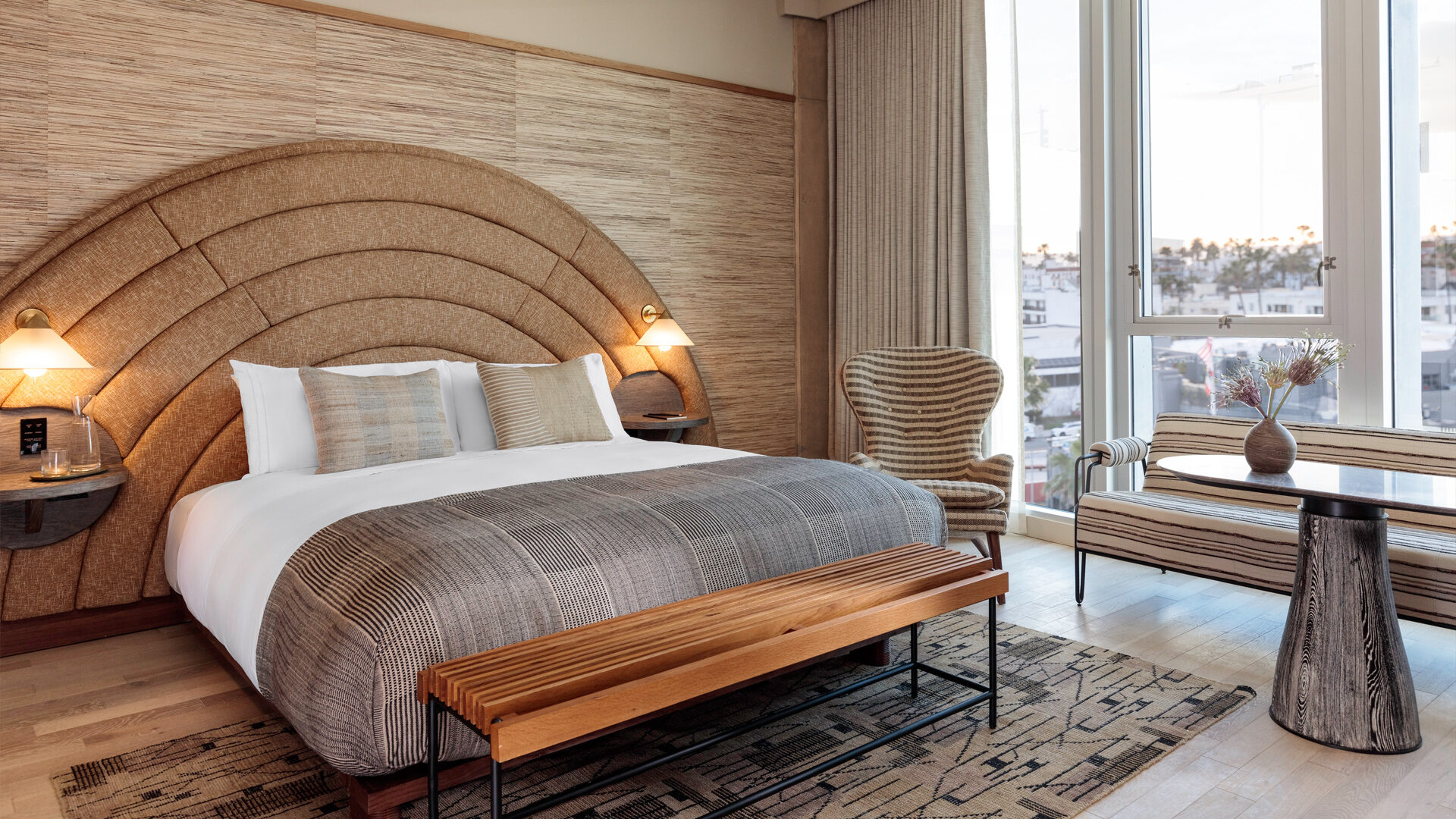
WOVEN's Proper Hotels project account describes a design ambition built around layered textures and an eclectic, residential feeling. It identifies these distinct scopes.
| Property | Published rug-design scope |
|---|---|
| Santa Monica Proper | Vintage-inspired guestroom designs |
| Austin Proper | Vintage-inspired guestroom designs |
| Downtown Los Angeles Proper | Corridor designs |
Each zone needs its own brief. The floor beneath a bed contributes to a guest's private room. A corridor connects rooms and forms part of a continuous route through the building.
The published account establishes WOVEN's collaboration and design scope. The selection lessons below are an editorial reading of that project, rather than a reconstruction of the team's approval meetings or a report on the rugs' performance in service.
Use residential character as a design brief
The residential quality of the Proper scheme is a useful place to begin. Describe the room you want a guest to encounter: collected and layered, quiet and spare, or patterned and intimate. Then consider what the rug contributes alongside the bed, upholstery, joinery and lighting.
A vintage-inspired design can bring a historical pattern language into a newly made rug. That description does not make the rug an antique, nor does it establish its fiber, weave or performance. Those details need their own specification.
In a guestroom plan, overlay the bed and bench on the proposed rug artwork. A central motif may be largely concealed; a border may be the most visible part. Ask whether the exposed pattern still gives the room the intended balance. Repeat the exercise for each materially different room layout instead of assuming the first drawing resolves them all.
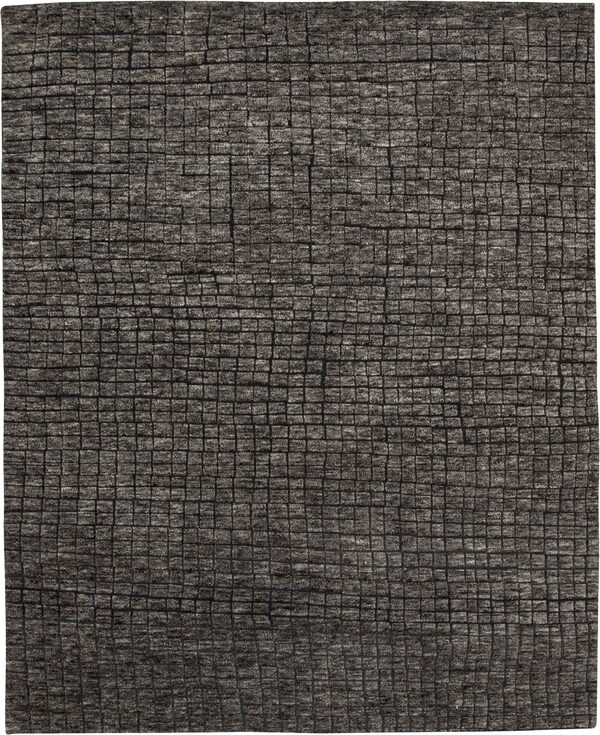
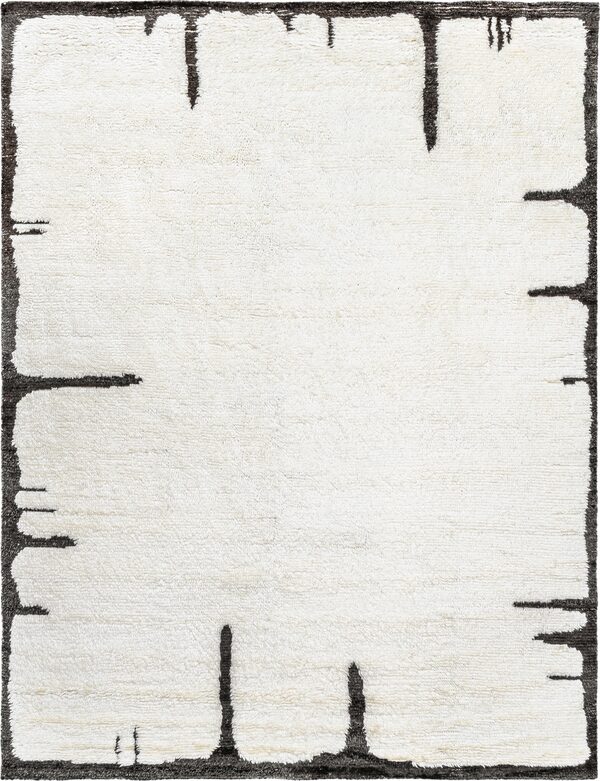
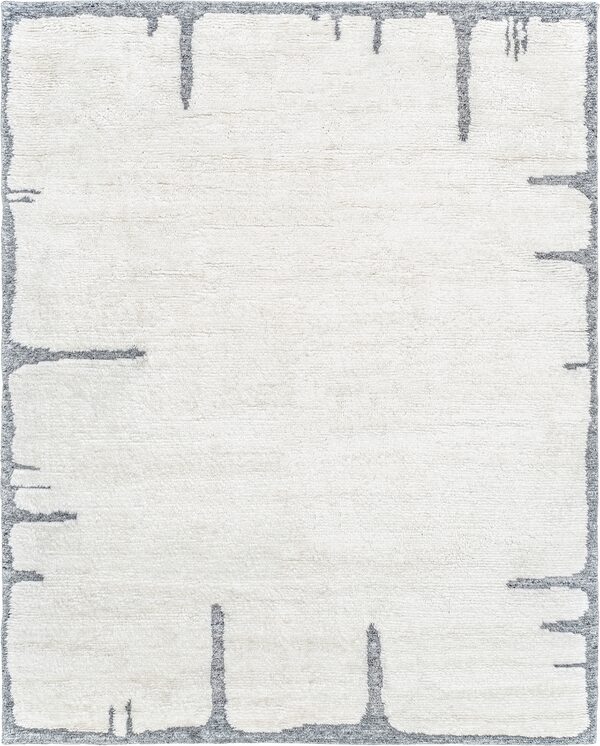
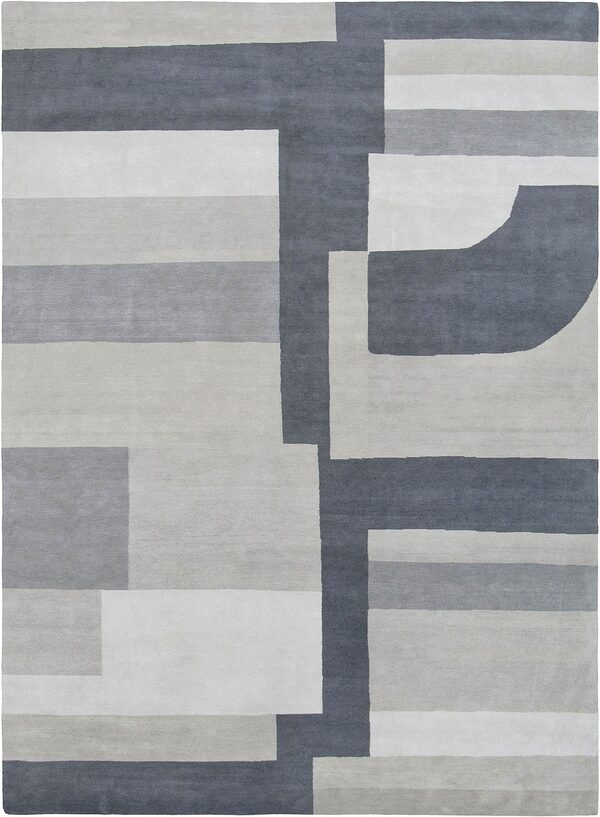
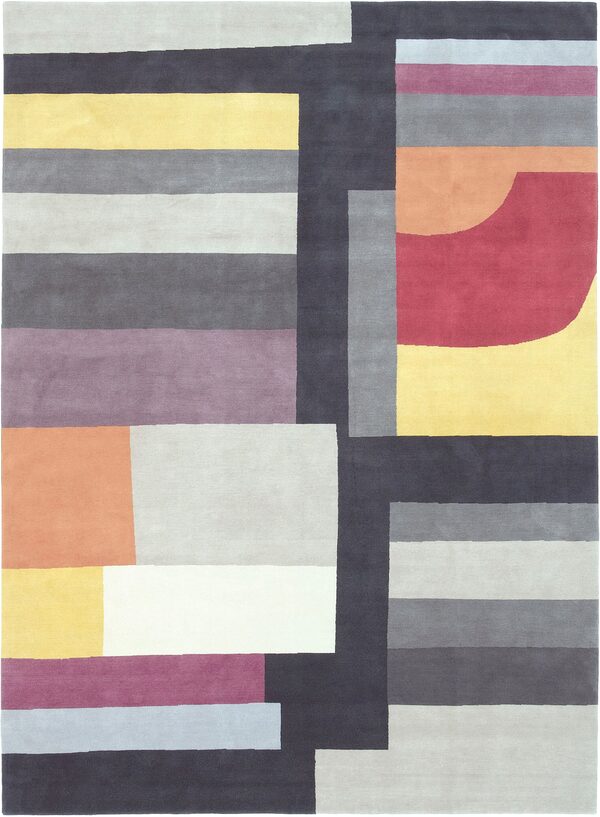
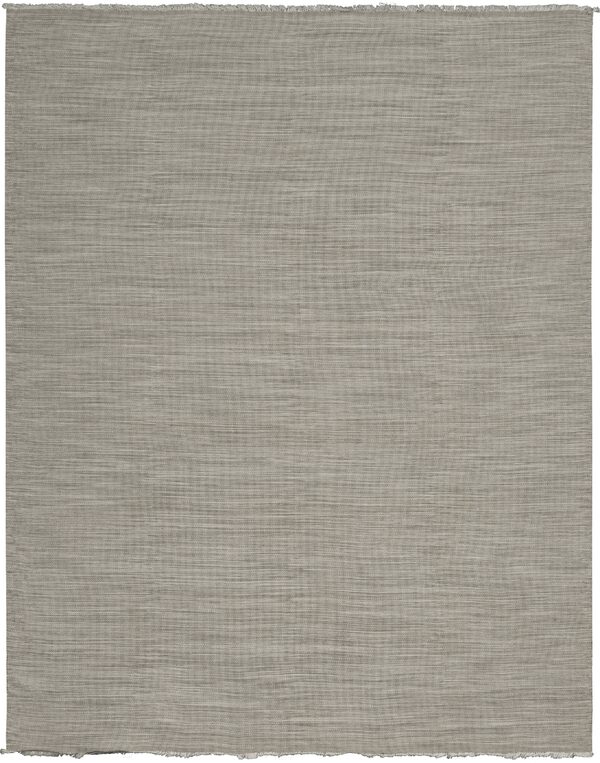
For a contemporary design starting point, Studio WOVEN offers collection references to discuss. The current collection is a starting point for a new inquiry, not an identification of the rugs used in the Proper project.
Write separate briefs for guestrooms and corridors
The documented Proper scopes suggest a useful discipline: give each zone its own brief, even when the interiors share a design language.
| Zone | Design question | Operational question to resolve |
|---|---|---|
| Guestroom | What pattern remains visible around the bed and seating? | Can the proposed maintenance routine work around the furniture and room-turnover schedule? |
| Corridor | How does the composition read along the route and at turns? | What construction, transitions and applicable performance requirements does the project team specify? |
| Shared design language | Which colors, motifs or textures connect the spaces? | Which specifications must differ because the uses differ? |
The hotel operator should be involved before a beautiful sample becomes an approved purchase. Ask the housekeeping team to review the proposed care method and equipment. Ask the installation and technical teams to review the complete floor assembly and the requirements applicable to each location. A project photograph cannot answer those questions.
Make sample approval answer a room question
A small sample can communicate color and texture without showing how a pattern will sit beneath furniture. Pair the physical sample with full-rug artwork, dimensions and the intended orientation. Review it in the room's proposed lighting with adjacent materials.
Where the project uses repeated guestrooms, identify which room types share a design and which need a different size or layout. Keep the approved reference attached to each room type. That record gives procurement and installation a common description of what belongs where.
If a mock-up room is part of the project, use it to resolve specific questions: whether a visible border is wide enough, whether a door clears the finished assembly, or whether housekeeping can reach an exposed edge. Record the actual observations. The sample and strike-off guide explains the distinction between the physical sample and the complete design approval.
Plan for the period after opening
Before ordering, agree how the hotel will identify each rug, retain the approved care information and request a repair or replacement. Discuss spare pieces or replacement production where relevant, including what can and cannot be matched later.
Use the hospitality specification checklist to keep construction, maintenance, installation and project-specific requirements together. Any test documentation should identify the product or assembly it covers; the existence of a past hospitality collaboration does not certify a new proposal.
Proper Hotels provides a concrete example of a rug collaboration serving distinct spaces within a strong design identity. For a new boutique hotel, begin a WOVEN hospitality conversation with the zone schedule, room plans, design references and operating requirements. That gives the design and operational teams a brief they can evaluate together.
Published by WOVEN. For questions about this guide or to flag a correction, contact WOVEN.