knowledge library / From Your Artwork to a Bespoke Rug: A Guide for UK Designers
WOVEN PLACE can discuss a bespoke rug developed from a designer’s artwork. Begin with the image, the intended finished dimensions and a short explanation of what must survive the translation into yarn and construction. The design then needs to be considered at rug scale, with colour, material and the appropriate sample approval resolved for the proposed piece.
A drawing may be clear on paper while leaving several textile decisions open. A dark mark could describe a colour, a raised area or simply the edge of another shape. Identify what the mark means before asking for it to become part of the rug.
Explain which part of the artwork carries the idea
Choose the feature you would be most reluctant to lose. It might be the uneven edge of a brushstroke, a broad empty field or the relationship between two colours. Mark that on the reference and say which details can be adjusted as the rug is developed.
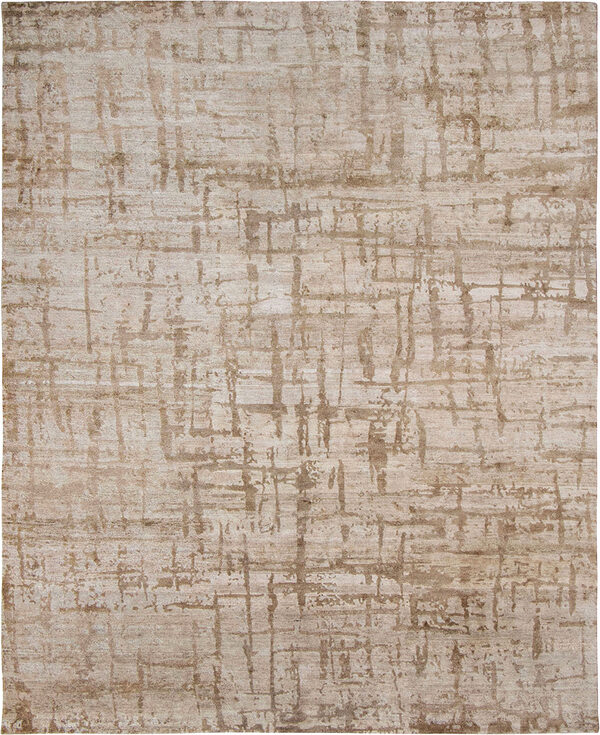
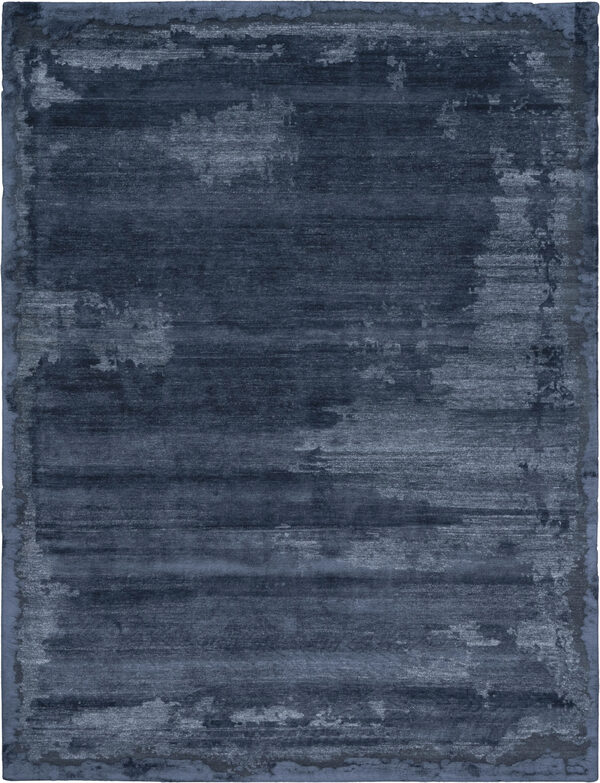
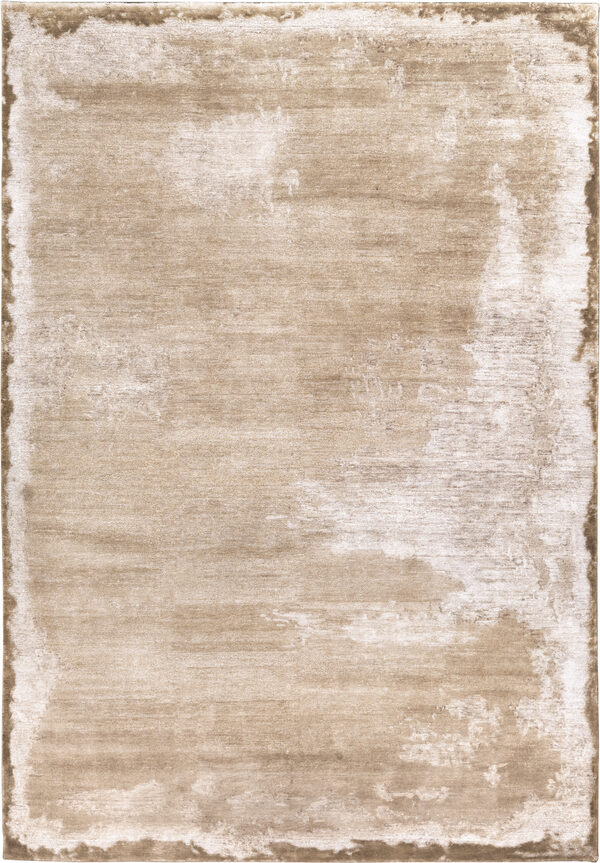
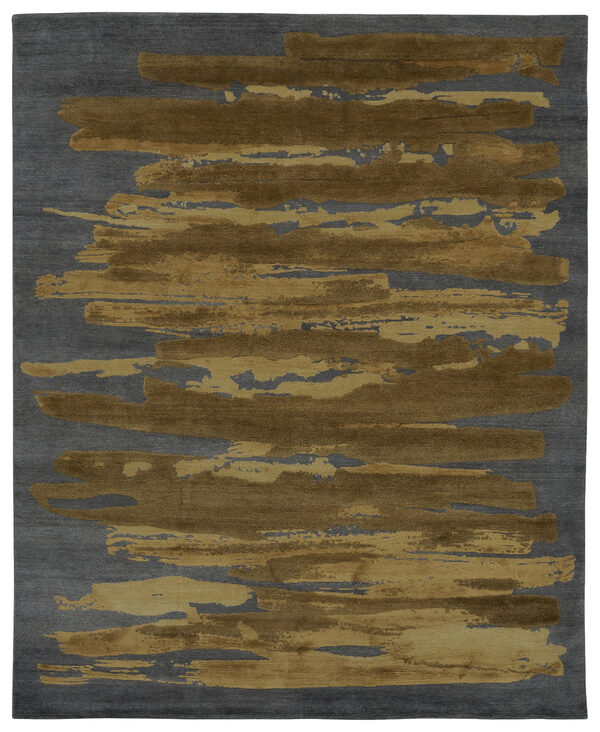
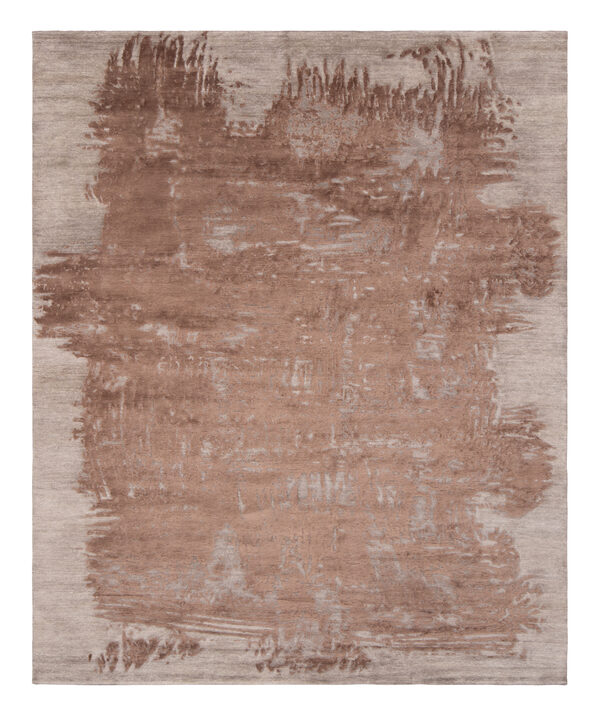
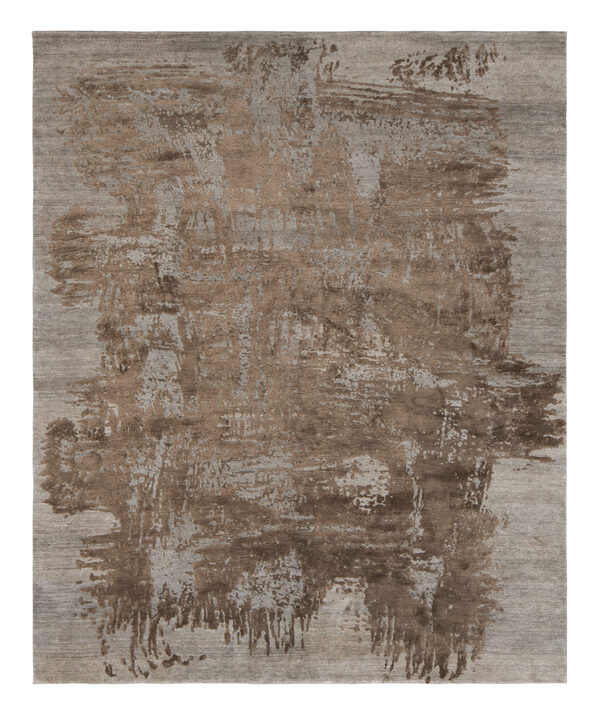
Our Shodo collection provides a useful example of artwork informing a textile. Its design language begins with Japanese brushstroke painting and develops that gesture through colour and combinations of silk, allo and wool. The collection illustrates the relationship between an originating mark and a material surface; another piece of artwork needs its own design decisions.
A helpful brief might say, “Keep the large diagonal gesture and the open area around it; the small flecks can be reconsidered.” That gives the development a clear priority without demanding that every mark receive equal attention.
Put the design inside the finished rug outline
Artwork for a bespoke rug should show the final proportions and orientation before the composition is approved. Place the drawing on the room plan, with the furniture shown over it. This reveals which areas will remain visible and whether a border, focal shape or empty field will sit where the designer intends.
For a hypothetical 250 × 350 cm rug, a coffee table may cover much of the centre. If the central motif is the reason for commissioning the piece, reconsider its position or the furniture relationship before refining small details. A sample of that motif cannot answer the room-scale question on its own.
WOVEN’s bespoke process uses scaled artwork to review the proposed design. A shaped outline also needs exact measurements, particularly where the rug must respond to joinery or another fixed feature. The appropriate template approach can then be established for the enquiry.
Map colour and material separately
A colour map identifies where each proposed yarn colour belongs. Keep that map with the artwork and the physical references used to select the palette. If the same colour appears in more than one material, record those areas separately because the surface is part of the intended effect.
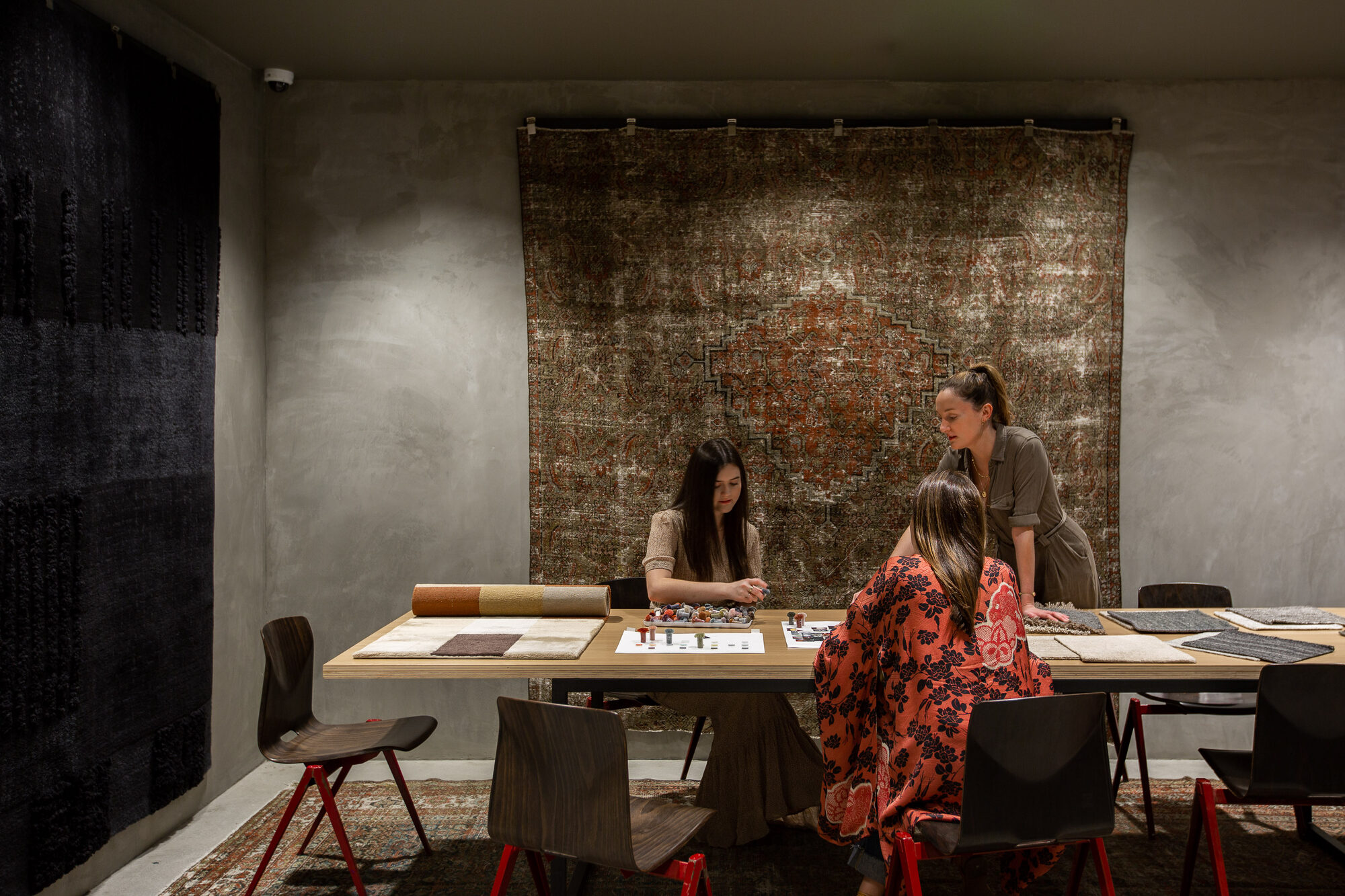
WOVEN’s colour-selection approach brings the room’s materials into the comparison and uses lighting close to the final setting. Bring fabric and flooring references to the discussion, and describe the main view into the room. A screen rendering helps organise the composition; the physical reference helps resolve the selected colour and material.
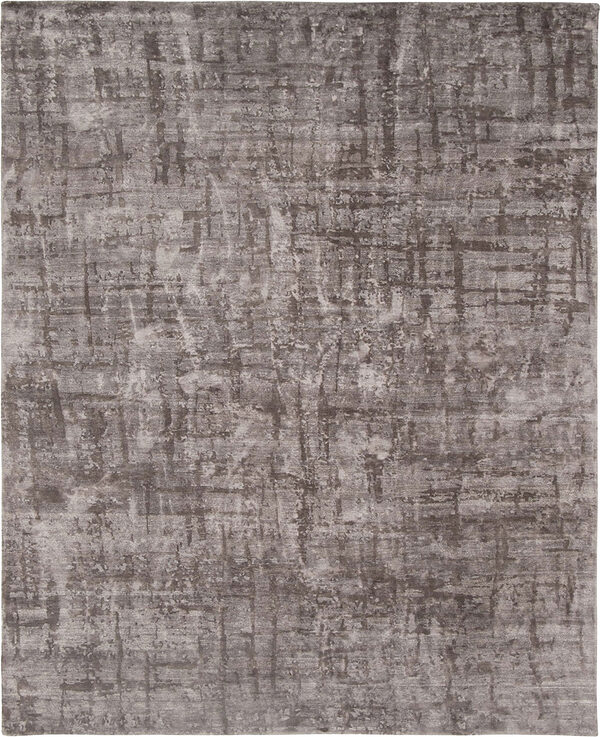
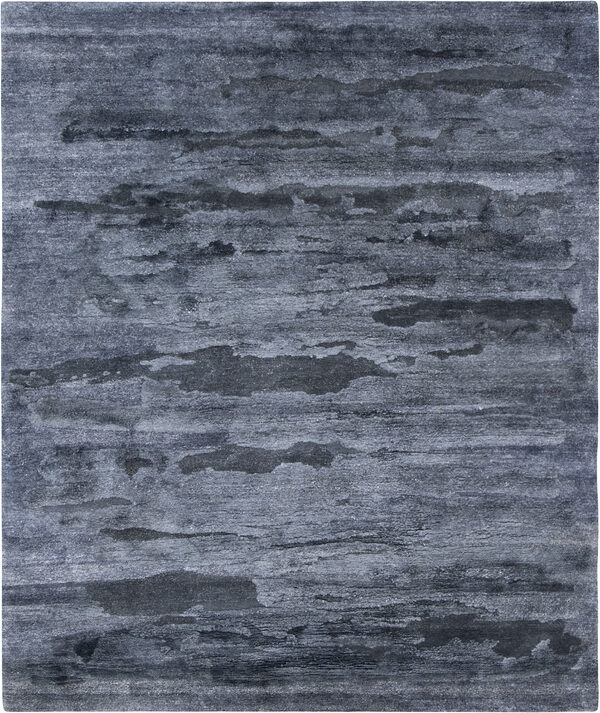
For a surface-led design, the Textures collection offers qualities to discuss alongside the artwork. The chosen construction and material need to suit the proposal, rather than being assigned from the image alone.
Decide what the strike-off needs to demonstrate
A strike-off should answer the parts of the design that still need physical review. It might show a colour relationship, the meeting of two materials or a particular area of texture. Identify the sampled section on the full drawing so its role stays clear.
| Reference | Decision it supports |
|---|---|
| Full rug artwork | Proportion, orientation and the overall arrangement of shapes |
| Colour and material map | Which references belong in each part of the design |
| Strike-off | The specific colour, material or construction details included in the sample |
WOVEN’s bespoke examples include both a section of a design at full scale and a reduced view of the whole composition. Those approaches reveal different things. Agree what your sample represents before using it to approve the complete rug. Our London sample-comparison guide explains the distinctions in more detail.
Send a focused design enquiry
Send the artwork with finished dimensions in centimetres, the intended room and your notes on the features to preserve. Include the material references already chosen and the target installation date. Identify any part of the design that remains open.
Use the WOVEN PLACE contact page to begin the discussion. Keep the original artwork beside each revision so the final approval can be judged against both the room and the idea that started the project.
Published by WOVEN. Questions about this guide or corrections can be sent through the contact page above.